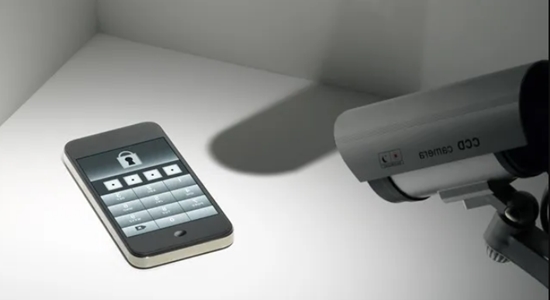
During the recent mega-cyberattack on U.S. communications infrastructure first reported in early October, it seems that China-affiliated hackers “targeted data from phones used by former President Donald J. Trump and his running mate, Senator JD Vance of Ohio, as part of what appears to be a wide-ranging intelligence-collection effort” (New York Times, October 25, 2024).
The type of information on phones used by a presidential candidate and his running mate could be a gold mine for an intelligence agency: Who they called and texted, how often they communicated with certain people and how long they talked to those people could be highly valuable to an adversary like China. That sort of communications data could be even more useful if hackers could observe it in real time….
The targeting of a presidential ticket’s communications underscores the aggressiveness, scope and potential severity of the hacking attack, which Western cybersecurity experts believe was carried out by a group they have called Salt Typhoon….
Data about the communications of a presidential and vice-presidential candidate—even absent the content of the calls and messages—could also help an adversary like China better identify and target people in Mr. Trump’s inner circle for influence operations.
The article also reports that Democrats, including Harris staffers and congressmen like Chuck Schumer, were also targeted. Presumably, these persons could also be targeted for influence operations.
A statement issued by the FBI and the Cybersecurity and Infrastructure Security Agency attributes the cyberhacking to actors “affiliated with the People’s Republic of China.”
Investigators are still working to figure out what data was observed or stolen in the cyberattack. They also say that hackers may still be present in Verizon’s systems.
Aggressive mitigation
The FBI and CISA report that they are working to “aggressively mitigate this threat and are coordinating with our industry partners to strengthen cyberdefenses across the commercial communications sector.”
What about the future? As James Roth has observed, one way to “mitigate” the ongoing threat of state-sponsored cyberattacks, at least with respect to U.S. communications networks, is to close the U.S. government–required back doors to U.S. communication networks. Stop facilitating the attacks. Another way is to go after Chinese companies that are behind the attacks.
Also see:
StopTheChinazis.org: “How to Thwart China’s Cyberattacks”
“It doesn’t have to be this hard.”