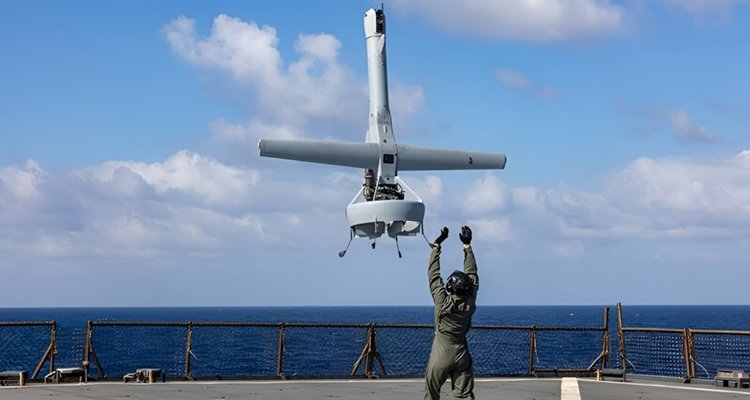
The cup is half full. NT$240 billion, or US$7.56 billion, is the top amount that can be spent on procuring drones under the terms of a budget bill that the Republic of China’s Legislative Yuan passed on August 27. Any additional funding would have to be approved by the legislature.
The problem is not the cap but that the NT$240 billion is not guaranteed: “It requires the central government to, in principle, earmark NT$40 billion annually for six consecutive years, using its general budget to procure unmanned vehicles….” And this annual appropriation would still be subject to annual legislative wrangling.
The ruling Democratic Progressive Party had wanted a special multi-year budget that could not have been downsized or withdrawn by the legislature once approved (Focus Taiwan, August 27, 2026).
The caucus of the main opposition Kuomintang had said it favored funding unmanned systems through annual budgets, given the rapid evolution of drone technologies. It argued that this would allow for phased procurement and prevent the systems from becoming “outdated” by the time they are delivered to the armed forces.
The Cabinet’s proposal, which requested NT$210 billion in a special budget over six years, failed to win approval. The bill, backed by the ruling Democratic Progressive Party caucus, was rejected by the KMT and the smaller opposition Taiwan People’s Party, which together hold a legislative majority.
In addition to provisions for regulatory oversight of the drone industry, the legislation “directs the establishment of a Cabinet-level national committee to oversee and streamline national policies for developing the unmanned vehicles industry, with committee members selected by the Cabinet from nominees recommended by legislative caucuses.”
One DPP legislator, Chung Chia-pin, calls this requirement “sugar-coated poison.” He worries that it would enable Beijing to “infiltrate the committee by bringing members nominated by certain political parties under its fold, resulting in confidential information being leaked to China.”
Espionage and influence
This concern about CCP infiltration of the mandated committee doesn’t come in a vacuum. The KMT has been accused of getting instructions from the Chinese Communist Party to delay drone funding, limit drone development to civilian applications, and otherwise obstruct the government’s plans for procuring and developing military drones. Kuomintang lawmakers have angrily denied the accusations. Of course, CCP-directed surveillance and espionage, attempted or actual, are facts of life in Taipei.
The Ministry of National Defense is unhappy that the administration’s preferred bill did not pass, saying that the approved form of the spending—regular year-by-year appropriations instead of a special budget that is approved all at once—will prevent it from developing combat capabilities using drones as quickly as possible.