OpenAI’s blog post about a new report on how “PRC-linked influence operations are targeting AI debates in the US” begins by advising the reader of the firm’s mission to ensure that artificial intelligence “benefits all of humanity” and “help people solve hard problems while protecting them from real harm.”
The mission “also requires identifying and disrupting attempts by authoritarian regimes and their proxies to use AI systems to coerce critics, surveil communities or covertly interfere in democratic societies,” a statement that begins to approach the subject of the post and the report.
This report describes two groups (“clusters”) of ChatGPT accounts “likely originating from China that we banned after they used our models in support of apparent covert influence operations that promoted narratives in an attempt to manipulate a legitimate debate about American AI and wider tech policies” (OpenAI, June 10, 2026).
Clusters of influence
Cluster-one ChatGPT accounts churned out social media commentary about how AI centers are increasing the cost of electricity.
Cluster-two ChatGPT accounts produced commentary “criticizing US tariffs as attempts to dominate technological competition and specified in their prompts that the content should not include China’s leader Xi Jinping in the output and instead include only President Trump. This cluster was connected to a network of likely inauthentic social media accounts that were also likely targeting OpenAI by claiming ChatGPT user data had been compromised.”
The report explains how account holders enlisted ChatGPT to conduct their propaganda campaigns.
“For example, they asked for comic strips about a power grid operator’s capacity auction prices based on reporting from a legitimate regional paper. They asked ChatGPT to focus the comments on rising capacity prices as a consequence of peak electricity demand, framing the new demand as coming from data centers and AI applications and argued that these costs were ultimately passed to ordinary households. The comments and images were posted on X by a set of likely inauthentic accounts, alongside links to legitimate news stories about the power grid operator’s capacity auctions and data center power demand.”
Americans were one audience, overseas Chinese another.
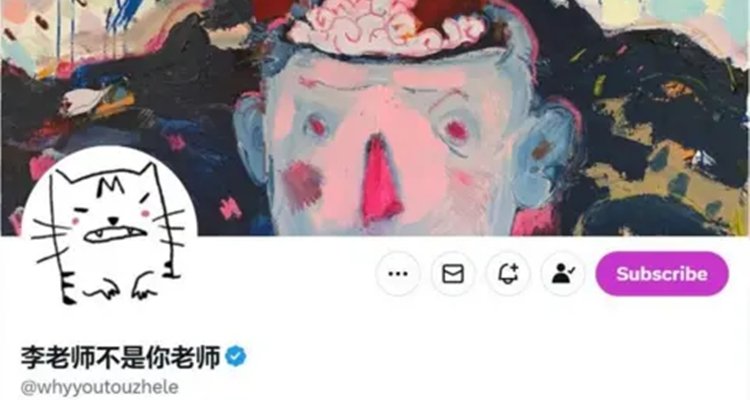
One ChatGPT-abetted campaign targeted Li Ying, aka Teacher Li, a well-known Chinese dissident who publicizes stories on X that are censored in mainland China.
The accounts “asked ChatGPT to generate short comments insulting him and directed at his team’s X account @whyyoutouzhele. In our last threat report, we noted that Li was a target of similar online harassment by an individual associated with Chinese law enforcement. In this case, our models refused to generate inflammatory or personal attacks against Li. Other Chinese political commentators they attempted to harass included Lu Yiheng, Xu Chi and the X account @SydneyDaddy1.”
ChatGPT itself was also targeted. “Beginning in late 2025, we identified a set of likely inauthentic X accounts posting variations of claims that their ChatGPT user data had been compromised and that their lives had been negatively impacted.”
The rare earth connection
OpenAI concludes that these campaigns were not very effective: “Most of the social media posts we identified generated little or no observable engagement.”
However, “this operation targeting OpenAI, a private company operating in a strategically important industry, should raise concerns. This pattern resembles earlier PRC-origin influence operations…against companies seeking to reduce dependence on China in the rare earths industry.”