On February 1, Tibetans living outside of China voted in a preliminary round of elections that narrowed the field of candidates. One early winner was Penpa Tsering, executive leader (Sikyong) of the Central Tibetan Administration, the government-in-exile; he secured a second term with a sufficiently large majority.
On April 26, Tibetans in 27 countries voted in the second and final round. “The 91,000 registered voters included Buddhist monks in the high Himalayas, political exiles in South Asia’s megacities and refugees in Australia, Europe and North America” (April 26, 2026, Agence France-Presse).
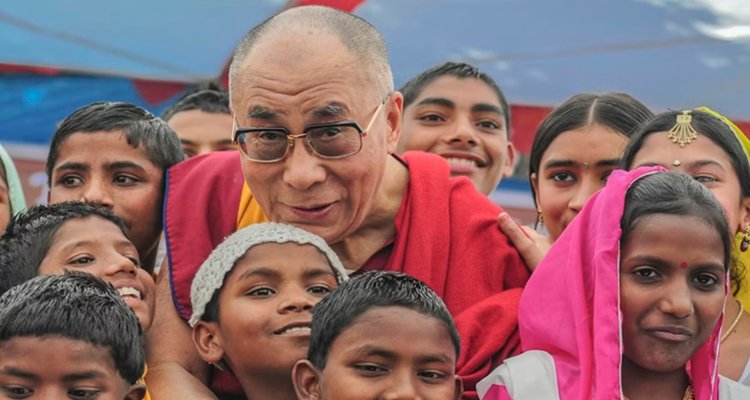
Tibetans are acutely aware of the fact that their spiritual leader for decades, the Dalai Lama, is now 90. They are also acutely aware of the Chinese Communist Party’s determination to choose his successor despite the Dalai Lama’s insistence that only his India-based Gaden Phodrang Trust may do so.
The Party sternly disapproves of the elections, a manifestation of political independence and a rebuke of its tyrannical occupation of Tibet.
The election reminds us that the Dalai Lama and those following his lead, including Penpa Tsering, continue to adhere to a so far futile attempt to compromise with the CCP by officially seeking not full independence for the Tibetan Autonomous Region but only (actual) autonomy, some substantial ability to govern the Tibetan region themselves, without CCP interference. The Party speaks as if the proposed autonomy is the equivalent of “separatism” and dismisses it as a nonstarter. Its officials must sense that if Tibetans were given a sincere and ironclad offer of full independence from the People’s Republic, they would grab it.
Also see:
Reuters: “What is the trust that will identify the Dalai Lama’s successor?”