“This is a shocking and morally bankrupt decision by a company that prides itself on social responsibility,” says John Moolenaar, chairman of the House Select Committee on the CCP. “There is no justifiable reason for an American company to do business in a region where the CCP has detained more than a million Uyghurs and is stripping them of their faith, language, and culture” (U.S. News & World Report, October 2, 2026).
China denies widespread accusations of abuses of the Uyghurs, a mainly Muslim ethnic minority, saying its policies in the far-western region were aimed at combating terrorism, separatism and religious extremism.
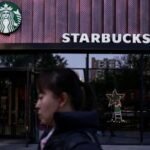
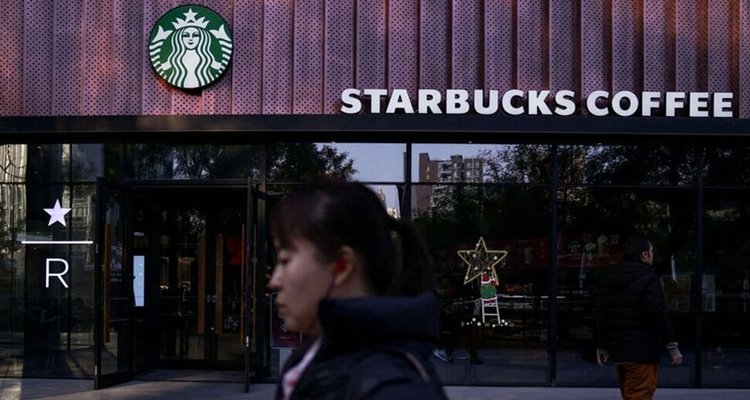
Starbucks opened its first two stores this week in Xinjiang’s capital, Urumqi, including one at the city centre’s Grand Bazaar and a second at its international airport.
John Moolenaar, chairman of the Select Committee on China of the House of Representatives, called on Starbucks to “immediately reverse course and close its stores”….
Starbucks did not respond to requests for comment. China is in the middle of its week-long national day holiday.
On the company’s official WeChat platform this week, China Chief Executive Officer Liu Wenjuan said it would continue to invest in Xinjiang.
Like many other foreign firms that operate in the People’s Republic of China, Starbucks will probably ignore this kind of admonition. However, at least a couple of major foreign firms, albeit without leaving China altogether, have discontinued operations in Xinjiang—Volkswagen, in 2024; and BASF, in 2025—apparently motivated at least in part by pressure about the region’s extra-repressive conditions.