Why did Jensen Huang resign from Nvidia?
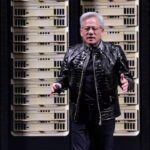
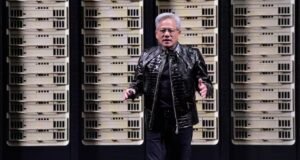
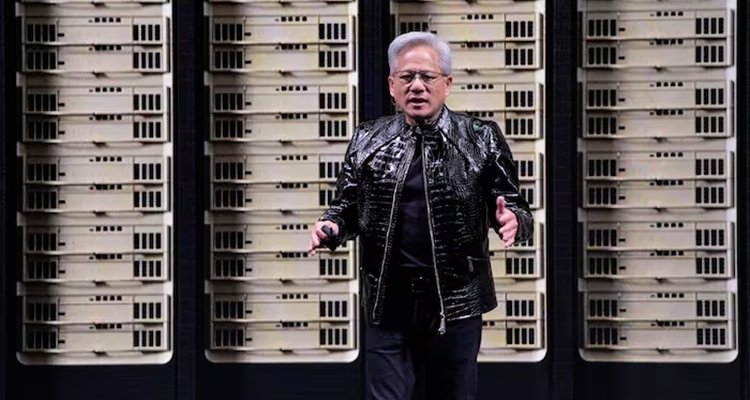
Because he was having affairs, for which he has apologized to his family and Nvidia, and because these affairs were reported. They included, most significantly, an affair with a suspected spy for the Chinese Communist Party that, pre-scandal, Huang (shown above) may never have been told about by the U.S. government that was investigating her. This operative reportedly used a Singapore-based company to smuggle advanced Nvidia microchips into China, circumventing U.S. export controls.
Why has Nvidia’s board, which had said that it was adamant that it would not welcome Huang back as CEO, now welcomed Huang back as CEO? After he resigned or was forced out, Nvidia’s stock slumped. Also, the president of the United States urged that he be given a “second chance.” A second chance to do what?
A bigger scandal
Huang’s marriage is his business. But we should try to remember that “For years, Nvidia founder Jensen Huang and his lobbyists barreled through Washington seeking to secure the company’s right to sell its powerful artificial intelligence chips to China” (The Washington Post, November 23, 2026).
The company’s campaign involved Huang himself making calls, according to two people familiar with its approach, who spoke on the condition of anonymity to describe private meetings. One of them described the company as lobbying “constantly and aggressively.”
Chris McGuire, a former National Security Council official who helped design the first restrictions on AI chip exports in the Biden administration, said the rules were the product of painstaking analysis drawing on public data, industry information and material gathered by the intelligence community, to determine how best to protect American security….
McGuire said Nvidia took a different approach: “They would come in and yell on vibes or on numbers that were very wrong.”
Nvidia’s footing in Washington slipped dramatically this month after Huang resigned and admitted to an affair with a woman suspected of being a Chinese spy, who ran a company that is facing an investigation into whether it was involved in a vast black market for Nvidia chips.
The revelations have raised questions about why Nvidia fought so hard to secure access to China….
When lawmakers proposed in May 2025 requiring technology on AI chips so they could be tracked to deter smuggling, Nvidia pushed back…..
Nvidia’s corporate filings show that it is dependent on three big customers for almost half its revenue. And as big U.S. customers look to design their own chips, access to Chinese buyers would be a source of security for Nvidia.
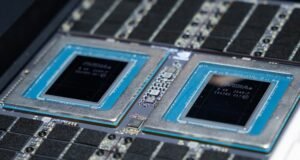
Huang succeeded to the extent that President Trump last December “approved exports of a new class of the company’s chips to China. The chips, known as H200s, were one generation removed from the company’s most powerful, but the move was a clear sign that the administration was open to China buying more advanced American technology.”
Nvidia almost immediately began filing applications to sell millions of chips to Chinese firms, according to documents released by the House Foreign Affairs Committee on Thursday. The applications included major Chinese companies like Alibaba and Tencent that the Pentagon has tagged as having connections to the nation’s military….
By May, the Commerce Department had signed off on sales of almost 580,000 Nvidia chips, according to the documents.
The lengthy Post report is almost right up to date. Reporter Ian Duncan notes that after Huang left the company, “Nvidia’s board said it is launching a new committee focused on national security and export controls.”
Inputs
Huang, though, is back, because, says its board, it “received input from senior levels of the United States government, and based on that input, the Board is confident that Mr. Huang’s reinstatement poses no national security risk.”
At least none in addition to the national security risk that Huang’s lobbying and eagerness to sell highly advanced chips to China has posed. The U.S. government that is willing to allow at least a substantial number of such sales is also still on the job.