Is it a spending cut if it’s a reduction in what defense contractors and others had expected would be spent?
The expectation reduction is pretty dramatic. Toward the end of his latest column for this site, James Roth cites a story about how Japan has been warning major arms makers to expect massive reductions in previously planned orders. But the cuts won’t affect every form of military spending. Nikkei Asia elaborates (November 22, 2026):
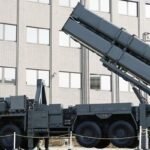
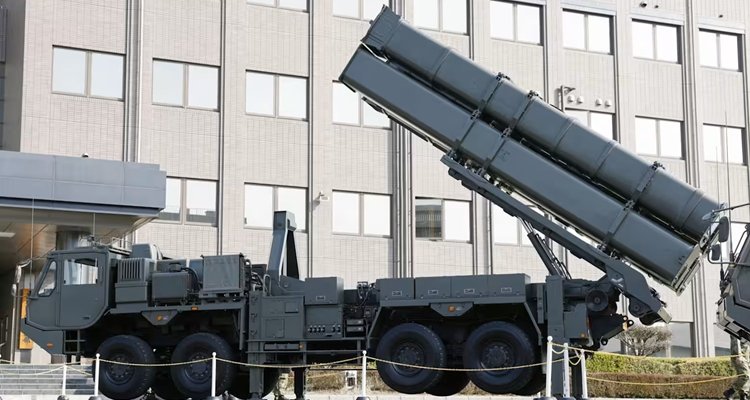
Japan’s Defense Ministry has informed major contractors that weapons procurement from fiscal 2027 will likely be significantly reduced from initial estimates as the government discusses curbing growth in defense spending.
The cutbacks will affect ammunition, warships and other items, likely forcing companies to consider scaling back investment plans.
The ministry conveyed the plans early this month, telling ammunition makers that its production increase plan has been scrapped….
Executives at defense contractors are voicing concern that the unspoken understanding between the ministry and the industry about order volumes has been lost and is threatening to dry up the industry. They plan to petition the government to reconsider.
Some fields will see increased orders as planned, including advanced technologies used in Russia’s war in Ukraine and the U.S. attack on Iran. The Defense Ministry has said it will not reduce the budget for drones and AI from the initial budget request.
The government is prioritizing technology used in new warfare, in which artificial intelligence assists in planning attack targets and drones handle intelligence gathering and attacks….
Fiscal restraints are prompting the cutback.
50 to 80
Japan Today reported on November 19 that Japan’s Defense Ministry had “informed major firms doing defense business earlier this month that orders for each firm could be cut by around 50 to 80 percent, asking them to revise their business plans.” (A Reuters story refers only to “cuts of up to half in planned purchases of some missiles and aircraft from domestic and overseas suppliers.”)
Exactly how low the Japanese government will go on defense spending is still in flux and won’t be finalized until “government of Prime Minister Sanae Takaichi updates its key security documents by the end of this year. Under the current plan from fiscal 2023 to 2027, Japan has set a target of around 43 trillion yen.” It had planned to boost that 43 trillion “in response to an increasingly challenging regional security environment,” an allusion to the bellicose People’s Republic of China.
“The government is considering setting the size of spending for its five-year defense buildup plan from next April at somewhere between 50 trillion yen ($314 billion) and 60 trillion yen, less than initially eyed…. The Defense Ministry had estimated that the outlays would reach around 70 trillion yen to 80 trillion yen.” The numbers being bounced around are estimates of total spending for the entire five-year period.
Taiwan contingency
Japan is one major counterweight to Beijing’s aggression in the Pacific. The stronger and more prepared its military can be if and when called upon to act, during a “Taiwan contingency” or what have you, the better. Also, the stronger and more capable its military in the eyes of the aggressive Chinese government, the less likely it is that war will break out to begin with.
According to one ruling party official, “A contingency could occur at any time. If the goal is to build the capabilities necessary to deter and prevent such a contingency, a figure in the 50-trillion-yen range is out of the question.”