Why the scare quotes around the word “pressure” in this headline: “Thai gallery removes China-focused artworks after ‘pressure’ from Beijing” (Reuters, August 8, 2025)? As opposed to non-pressure from Beijing?
The theme of the Bangkok exhibit is authoritarianism. Some of the contributing artists are from Tibet and Hong Kong, and they offered work to which the Chinese Communist Party, which does not govern Thailand—does it?—objected.
One of Thailand’s top art galleries removed, at China’s request, materials about Beijing’s treatment of ethnic minorities and Hong Kong from an exhibit on authoritarian governments, according to a curator and communications seen by Reuters.
In what the artists called the latest attempt by Beijing to silence critics overseas, the Bangkok Arts and Cultural Centre [the gallery’s translation is Bangkok Art and Culture Centre] changed multiple works by artists in exile in the exhibit on authoritarian governments collaborating across borders.
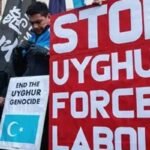
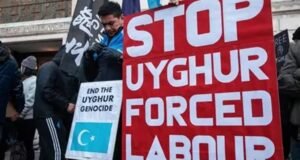
When Reuters visited on Thursday, some works previously advertised and photographed had been removed, including a multimedia installation by a Tibetan artist, while other pieces had been altered, with the words “Hong Kong”, “Tibet” and “Uyghur” redacted, along with the names of the artists….
In a July 30 email seen by Reuters, the gallery said: “Due to pressure from the Chinese Embassy—transmitted through the Ministry of Foreign Affairs and particularly the Bangkok Metropolitan Administration, our main supporter—we have been warned that the exhibition may risk creating diplomatic tensions between Thailand and China.”
Diplomatic tension. So what? Were officials at the gallery or at the Bangkok Metropolitan Administration going to be thrown in jail if they ignored the request of Thailand’s Ministry of Foreign Affairs?
Tibetan artist Tenzin Mingyur Paldron says that by forcing the gallery “to remove significant parts of my work, the Chinese government has once again demonstrated that it desperately wishes to cut Tibetans off from the rest of the world…. Who are museums for? They should be for the people, not dictators of any ideology.”
One of the curators of the exhibit, Sai (he goes by one name), says it’s “tragically ironic that an exhibition on authoritarian cooperation has been censored under authoritarian pressure. Thailand has long been a refuge for dissidents. This is a chilling signal to all exiled artists and activists in the region.”
The exhibit, Constellation of Complicity: Visualising the Global Machinery of Authoritarian Solidarity, will continue in its CCP-deformed form through October 2025 on the eighth floor of the complicit BACC.
The description of the exhibit states that “art remains one of the last ungovernable territories of resistance.”
“Our mission”
The Khao Sod English site reports that according to a security guard at the gallery, “the Chinese Embassy ‘requested’ the removal of a Tibetan flag, the censoring of one art video, and the removal of one art installation, among other things.”
Gallery officials turned down Pravit Rojanaphruk’s request for an interview. “We need to discuss this first [among ourselves],” they said. “We are trying to stand by our mission to be an open public space, and the exhibition is still on show.”
The Thai government has done much worse to appease the People’s Republic of China.
In February 2025, after having imprisoned 40 Uyghurs for a decade, it sent them back to China, where, Thailand’s defense minister said, they would be treated fine. “There are no problems. They will be looked after well because they are their people.” Uyghurs are routinely persecuted in China.
Also see:
CNA: “China’s Efforts to Shape the Information Environment in Thailand”
Oxford Academic: “Under China’s shadow: Authoritarian rule and domestic political divisions in Thailand”