Not a big help. Hong Kong Secretary of Security Chris Tang suggests that the cases of Hongkongers arrested during the mass protests of 2019 may be awarded priority review if they have demonstrated sufficient remorse and sense of national identity (South China Morning Post, June 25, 2026).
Will the proofs of these include providing information that implicates others?
According to police figures, 10,286 people aged between 11 and 87 were arrested in connection with the 2019 anti-extradition bill protests. As of the end of March, 2,978 had faced or entered judicial proceedings, while more than 7,000 had yet to be charged.
Some individuals who have not yet been charged have taken part in a government-run “special rehabilitation project” launched two years ago. The programme offers career planning services, internship opportunities and trips to mainland China.
Asked whether these participants could have their cases dropped, Tang said some would be given priority for a review.
Seven years later, thousands are still in legal limbo for having the temerity to demonstrate against tyranny and for democracy. If they’re sufficiently submissive now, though, Tang will maybe move their cases a little closer to the top of his slush pile.
What he should do is dismiss all charges against all of the protesters and recommend medals for those most courageous and steadfast in their opposition to the CCP tyranny. But Tang vows “to continue reviewing and refining the city’s national security laws, citing ongoing threats posed by geopolitical tensions, local terrorism, ‘soft resistance’ and technological advancements.”
The Hong Kong government may have actual local terrorists to contend with in 2026, but if so they’re keeping the threat under wraps. In May, Hong Kong Free Press reported that ‘A Hong Kong court has ordered the forfeiture of more than HK$670,000 in ‘terrorist property’ from three persons involved in a thwarted bomb plot during the 2019 protests.” In 2024, the three were sentenced to years in prison for their alleged role in the plot.
Resistance
“Soft resistance” is speaking out of turn. Communicating what the CCP Hong Kong government calls misinformation is “soft resistance,” as is authoring commentary that the government dislikes or selling books that it dislikes.
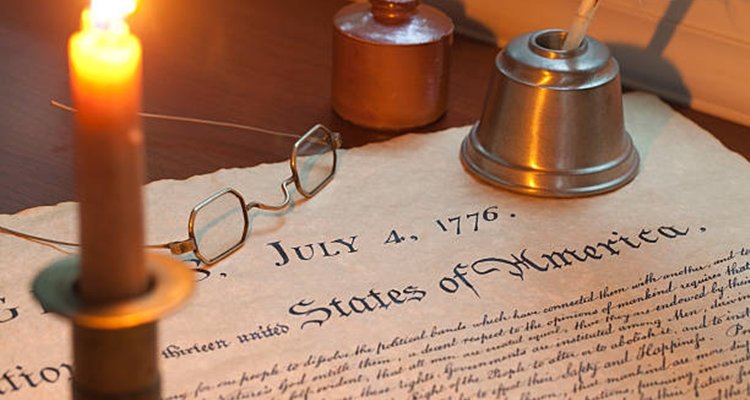
Of course, whenever any form of government becomes destructive of the proper ends of government—the securing of the rights of life, liberty and the pursuit of happiness—it is the right of the people to alter or to abolish it, and to institute new government, laying its foundation on such principles and organizing its powers in such form as to them shall seem most likely to effect their safety and happiness. We might call this hard resistance. If, as stated in the Declaration of Independence, hard resistance to tyranny is justified, soft resistance to tyranny surely must be as well.