Victor Davis Hanson seems to be one of those people who know everything. Yet he can also err, as demonstrated by a transcript of recent remarks on the “Method to Trump’s Madness” (Daily Signal, October 8, 2026).
U.S. President Donald Trump only seems crazy, Hanson assures us. Trump’s “art-of-the-deal style” is to be “bombastic” and say “wild things. He puts his opponents, his partners, whatever the situation is that he’s across the table from, off balance. He demands things that are ludicrous. People are shocked, they criticize him.”
But in the course of negotiations, Trump then modifies his original demands, a deal is signed getting more for the U.S. than might have been expected, “and he walks away with a singular accomplishment.” Among the examples Hanson cites are Latin America, Greenland, and NATO.
About the first of these, Hanson says:
When [Trump] entered office [the second time], Panama was essentially being controlled at its entry and exits in violation of the Panama Canal Treaty by Chinese-affiliated companies. And they had grandiose designs basically to take over the canal. He railed, he screamed, he threatened to go in and take it. He said the canal should go back to the United States.
Pause negotiation. Marco Rubio goes down….
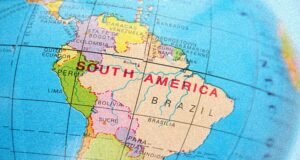
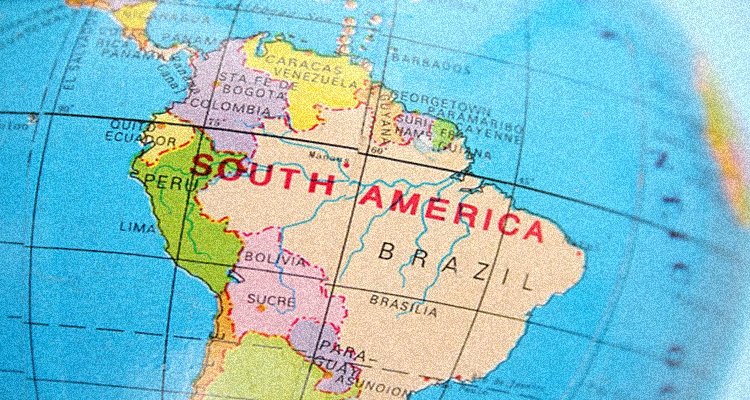
All of Latin America is flipping. Of the 32 nations, I think about 27 are pro-American, are capitalist, are democratic, are all three. The pink tide is over in Latin America. Just Cuba, Brazil, Mexico, Nicaragua really left as hostile communist countries or socialist countries.
And people said, “Did he really have to threaten Panama like that?”….
When you look at the results, right now there are no Chinese or Russians in Latin America.
Considering just this portion of his analysis, we find that, for one thing, Hanson is too optimistic in supposing the pink tide to be “over” in Latin American countries that have taken a political turn for the better. The left hasn’t gone away in any of those countries, which are all, like the United States, one election away from another socialist-run national administration. Also like the United States, they’re all probably still pretty socialist to some distressing degree right now despite any turns toward more pro-capitalist and pro-American policies.
Moreover, despite the Trump administration’s substantial achievements in Latin America, the Chinese and Russians have hardly been booted out of that region.
Reversals for Red China
Hong Kong-based CK Hutchison has lost the right to operate the ports at the Panama Canal, in response to which the Chinese government has bellowed but otherwise done little to reverse Hutchison’s loss of the ports.
Panama has withdrawn from China’s Belt and Road Initiative.
The president of Honduras has expressed interest in restoring formal diplomatic relations with the Republic of China and his government has taken a few steps in that direction.
A month before the inauguration of Trump’s second term, Paraguay expelled a Chinese diplomat who had urged lawmakers to drop diplomatic recognition of the ROC and establish diplomatic relations with the PRC instead. (Beijing prohibits diplomatic recognition of the ROC by countries that diplomatically recognize the PRC.)
Mexico has imposed higher tariffs on goods imported from the People’s Republic.
Thanks to a successful U.S. military mission, Venezuela lost a dictator and now seems at least somewhat more amenable to Washington’s influence and much less amenable to Beijing’s influence.
These are setbacks for the Chinese Communist Party. They do not amount to wholesale expulsion of the Party, which remains very active in Latin America.