U.S. government agencies issue lists of companies, organizations, entities that we are advised to be wary of. But too often things proceed as if no warnings had been issued.
Suppose a Chinese university is listed because of its ties to the People’s Liberation Army and tendency to produce research of military use. Should the U.S. fund collaborations between U.S. researchers and researchers from the Chinese university? The findings of which may end up helping the PLA?
NSF is on board
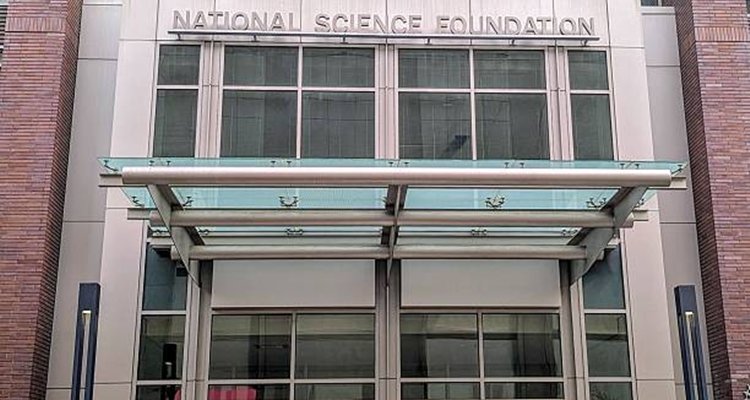
Funding academic research is not a proper function of government. But as long as our federal government is doing so, it ought not do so in a way that helps an enemy government like that of the People’s Republic of China. The National Science Foundation apparently now recognizes this or at least accepts the judgment of people who do recognize this.
According to a Dear Colleague Letter (NSF’s own name for the letter), the Foundation will soon be “prohibiting NSF funds from being expended on collaboration with entities on U.S. restricted parties lists.”
The U.S. government has determined that the behavior of these entities warrants restrictions based on national security and other foreign policy interests. Therefore, NSF has determined research security risk mitigation for NSF-funded projects involving these restricted entities is not sufficient. Accordingly, NSF plans to implement a new research security policy prohibiting collaboration on NSF-funded projects with these restricted entities….
NSF appropriated funds shall not be used for grants, contracts, other transactions or other assistance to an organization if the purpose is to conduct research in collaboration with restricted entities. This funding prohibition also extends to the employees of such restricted entities.
Senior/key personnel are prohibited from holding an appointment or position with, or receiving research support from, a restricted entity. Further, senior/key personnel are prohibited from collaborating with a restricted entity, or employee thereof, on research funded by their NSF award.
The letter refers to an Appendix A listing the lists of restricted parties issued by Defense, State, Commerce, Treasury, FCC, Homeland Security, and U.S. Customs and Border Protection.
As implied in its press release on NSF’s new policy, the Select Committee on the Chinese Communist Party can probably take some of the credit for it. The committee has published a series of reports on how the federal government has been funding collaborations with listed PRC entities that are “associated with military modernization, sanctions violations, human rights abuses, and other activities contrary to U.S. national security and foreign policy interests.”
What’s next
Select Committee Chairman John Moolenaar says: “Prohibiting federal funding from being used to collaborate with Chinese entities that are national security risks or human rights abusers is straightforward, and all federal agencies should follow the lead of the Pentagon and NSF. My Securing Innovation and Research from Adversaries Act would codify these Trump Administration reforms, and Congress should pass it to implement this standard across the federal government.”