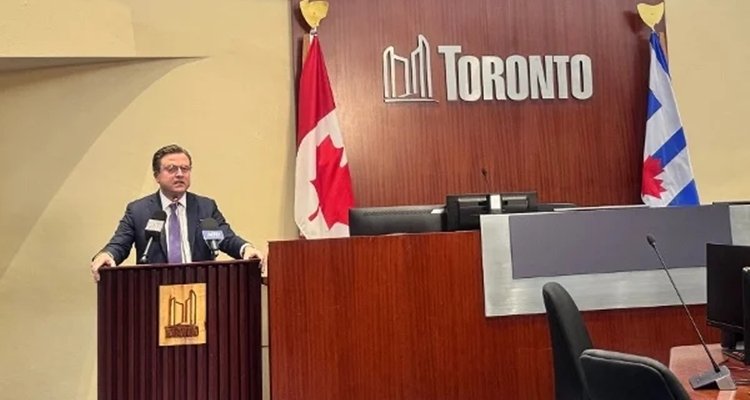
A Toronto event to screen the documentary “State Organs” and promote Jan Jekielek’s book Killed to Order covered a wide range of topics related to China’s forced organ harvesting.
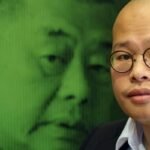
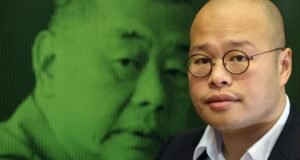
One question that came up: During the years he spent researching the subject, what evidence of the atrocities shocked him the most? Jekielek (shown above) points to a 2022 study published in the American Journal of Transplantation (Vision Times, May 27, 2026).
The researchers reviewed thousands of Chinese transplant papers and identified 71 cases that appeared to describe organ procurement procedures in which the removal of organs may have been the direct cause of the donor’s death.
“These details were openly written into scientific research methods and publicly published,” Jekielek said. “That tells us something profound about how normalized this kind of ‘on-demand murder’ had become. The people involved did not even realize that what they were describing should never appear in a legitimate scientific paper.”
Jekielek also recalled how he first became involved in the issue in 2006 after speaking with two independent whistleblowers. One was Annie, a former hospital employee in China whose husband allegedly removed corneas from approximately 2,000 living organ donors. The other was Israeli transplant surgeon Dr. Jacob Lavee, whose patient told him he had already scheduled a heart transplant operation in China two weeks in advance.
“You can’t schedule a heart transplant two weeks ahead unless someone is going to be killed on demand,” Jekielek said. “That was the moment I realized this was happening on a large scale.”
When asked why the world has been so slow to recognize what’s going on, Jekielek gives three major reasons. One, disbelief that something so horrific could actually be happening. “People have trouble accepting that it could be real.” That started to change during China’s Draconian COVID-19 lockdowns, when people saw videos of how horrific the CCP could be.
Two, the “devil’s bargain” struck with international media: foreign reporters and publishers have often shied away from politically sensitive topics for the sake of continued access to China.
Three, the CCP bribes people to keep quiet.
“If free governments were willing to support efforts that help Chinese people learn the truth, it could be one of the most powerful ways to challenge this system. Most Chinese people do not support forced organ harvesting. They simply do not know it is happening.”