A drama that began in 2019—actually a bit earlier, in 2018, when an aviation firm told the FBI about a senior engineer’s suspicious behavior during a trip to China—has now resulted in a partial guilty plea. The engineer, Zhang Junjie, aka Jeff Zhang, admitted to lying to customs officers in 2019 as he was about to board a flight to China. They had asked Zhang whether there was any work-related information on his devices. His reply: “No” (Justice Department, April 1, 2026).
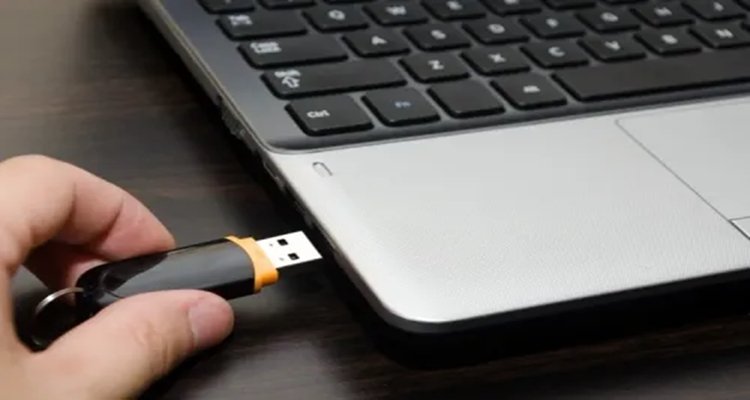
Zhang told the agents the thumb drive and laptop he carried only contained personal information. However, when [Customs and Border Protection] agents examined the devices, they discovered documents belonging to Zhang’s employer marked “Proprietary” and “Confidential” along with graphs and blueprints associated with the aviation company’s work. Zhang then changed his story to say that his employer had given him permission to have the documents.
CBP alerted the FBI, who contacted Zhang’s employer. The company [an unnamed aviation firm based in Wichita] informed the FBI that Zhang was not authorized to have confidential documents on his personal devices or to leave the country with that information….
The proprietary data on Zhang’s devices is estimated to be valued at more than $100,000.
I call Zhang’s guilty plea partial because it seems to be only about lying to government agents about what was on his devices or whether he had his employer’s permission to have confidential info on his devices. He doesn’t seem to have also pleaded guilty to plans to deliver that info to a Chinese company or to having previously stolen intellectual property from his employer. Does the reported plea amount to a comprehensive admission of guilt? The Justice Department does not give its exact wording, saying only that Zhang “pleaded guilty to one count of making a false statement.” But lying about a crime is not the same thing as, or at least is only one part of, the crime being lied about.
Sentencing is scheduled for July 2026.