“I learned far more [in England] than linguistic theories (which, I am ashamed to say, I have since largely forgotten). I remember the day I went to discuss the plan for my thesis with my supervisor, Professor Le Page, who, through his sensitive presence alone, had already begun to help dispel the perpetual anxiety and sudden panic that were embedded in me. His mildly ironic manner and understated authority constantly reassured me, as England did, that I had come to a just place, and that I had nothing to worry about. Feeling totally relaxed, I babbled on about my views on the linguistic theories I was supposed to survey. He listened, and at the end asked me, ‘Could you show me your thesis?’ I was nonplussed, and exclaimed, ‘But I haven’t started it yet!’ He said, ‘But you have all the conclusions.’
“That single remark untied a strangling knot fastened on my brain by a totalitarian ‘education.’ We in China had been trained not to draw conclusions from facts, but to start with Marxist theories or Mao thoughts or the Party line and to deny, even condemn, the facts that did not suit them.”
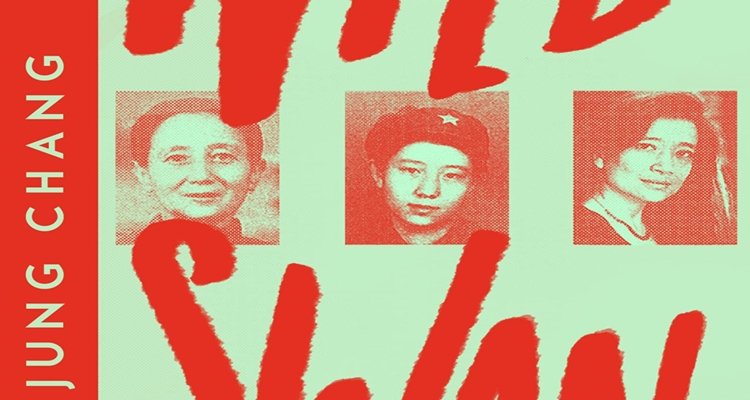
—Jung Chang, Wild Swans: Three Daughters of China