If Ex-Twitter is accusing the Chinese government “of Using Porn Spam to Hide Tweets About Political Unrest,” the accusation is no doubt correct. The company has no reason to make it up, and China has a long history of doing just this kind of thing (PC Mag, January 30, 2026).
Nikita Bier, the product head for X, made the accusation after a user complained that Chinese-language searches on the platform are broken. “It’s filled with spam and illicit ads, making it impossible to find useful info,” the user wrote.
Bier tweeted back: “The Chinese government floods X search results with porn whenever there is political unrest—to prevent their citizens from finding out real-time information. This has been a difficult problem to solve, but we are aware and working on it.”
Interestingly, Bier also said the spam has been traced to a “pool of 5 to 10 million accounts” that were apparently created before X began cracking down on new account sign-ups.
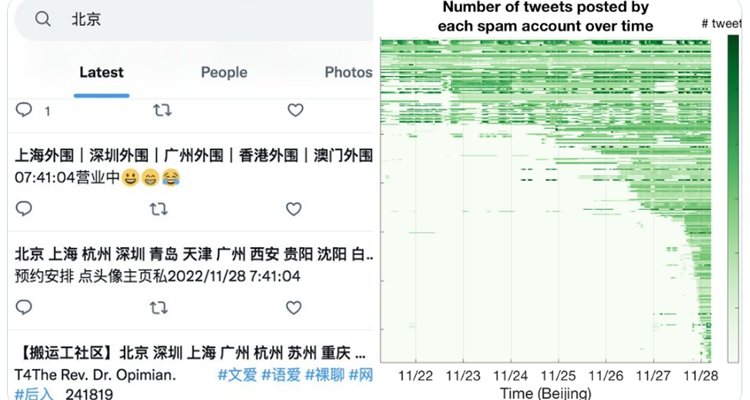
He didn’t provide any other details, including how the platform might solve the issue. But in late 2022, researchers and journalists noticed suspected bot accounts spamming Chinese-language adult content and gambling ads on Twitter, suppressing searches for political protests against China’s COVID-19 lockdown policies.
There was no direct evidence linking the Chinese government to the spam. But Bier’s tweet suggests the spam operation is vast and has Beijing’s blessing.
The problem for the Chinese party-state is that it does not yet govern the whole world. Oppressing people who live in other countries is harder than oppressing people who live in China. It does what it can.
Within China, the state has many ways to directly censor social media and punish violators that are only incompletely available when the social media to be censored is based in foreign lands. To prevent expatriate Chinese nationals—and persons inside China who use virtual private networks or VPNs—from getting information that the Chinese Communist Party doesn’t want them to have, the Party uses some of the same tools and some additional ones.
The list includes cyberattacks, cyber harassment, AI propaganda, academic funding, pushy letters and visits and phone calls, consulate-sponsored violence against protesters, and, we are now reminded, porn spam.