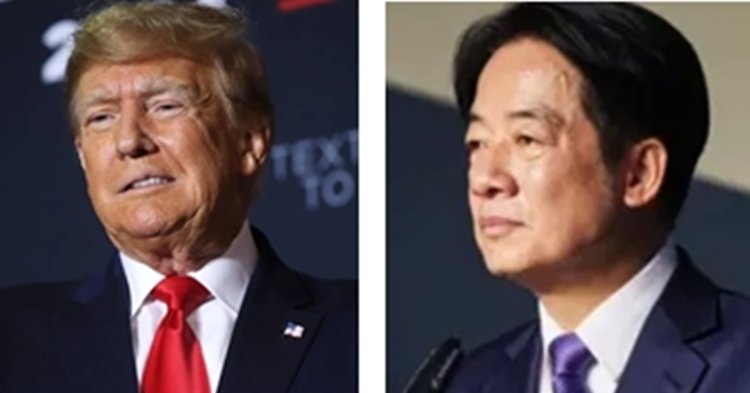
The question is why, and whether this is now to be the standard operating procedure of the Trump administration.
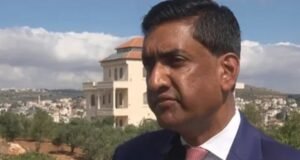
A member of the House Select Committee on the Chinese Communist Party, Democratic Congressman Raja Krishnamoorthi, has responded to a Financial Times report that President Trump recently prevented Lai from visiting the U.S.
Krishnamoorthi said that the administration’s action “is both a sharp break from precedent and another example of the Trump Administration caving to China in hopes of reaching a trade deal that appears no closer despite concession after concession by this Administration to the CCP. Such a policy decision sends a dangerous signal to the CCP that Taiwan’s democracy is on the negotiating table…. We must continue to stand firmly with Taiwan, not abandon it.”
CCP objection
FT reported that the Trump administration had “denied permission for Taiwan’s President Lai Ching-te to stop in New York en route to Central America after China raised objections with Washington about the visit” (July 28, 2025).
The Chinese government often objects bitterly when a high-profile person it regards as a special enemy visits or is visited by any other high-profile person.
Perhaps trying to paper things over, President Lai’s office said that Lai had no near-term travel plans because Taiwan was still dealing with the aftermath of a typhoon “and Taipei was in talks with US about tariffs.” But “people familiar with the matter” told FT that Lai cancelled his trip only “after he had been told he would not be allowed to visit New York.”
On the other hand, “A senior US official said both sides were ‘working to remedy the situation’ and that no trip had been cancelled.”
With all these denials and counter-denials, what exactly happened or is happening cannot be perfectly clear. But it does seem that Lai planned a trip to the U.S. which has at least been delayed because of the trade talks with China. If so, this is very bad: another sign, like now allowing formerly prohibited sale of advanced AI chips to China, that the U.S. president and his negotiators are appeasing the Chinese Communist Party for the sake of the negotiations.
And then what?
“They’ve frozen export controls and possibly financial actions too, approved the sale of powerful AI chips to China for nothing in return, and throttled the unofficial relationship with Taiwan,” says Rush Doshi, author of The Long Game: China’s Grand Strategy to Displace American Order.
“What will they do when Beijing pockets this and asks for more, like changing Taiwan policy or demanding even better U.S. technology?”