Lai Ching-te, the ROC president, is “stepping up preparations for a potential conflict with China” (The Japan Times, June 17, 2025). Part of the country’s preparations are medical, and part of being medically prepared is being able to produce blood bags domestically.
The health ministry has been working closely with other government agencies, including the National Security Council, to enhance Taiwan’s medical preparedness for emergencies, Deputy Health Minister Lin Ching-yi said. Strengthening domestic production capacity for key medical supplies, including blood bags, is a part of the strategy, she said, as was ensuring that imports of medical supplies were secure.
“The COVID-19 pandemic and the war in Ukraine have underscored the risks of relying solely on foreign sources for essential medicines and medical equipment,” Lin said. Ukraine’s health care resources have been strained during its fighting with Russia, leading to shortages of oxygen, medications and more.
Lai has made preparing the self-ruled archipelago of 23 million people for a possible conflict with China a central part of his policymaking since he took office a little more than a year ago. Last year, he held the first meeting of a civil defense committee that discussed ways to make sure key energy facilities and critical infrastructure can operate in a crisis.
The defense ministry is planning to establish a blood donation center by the end of 2025 and in the next year to establish a blood supply system.
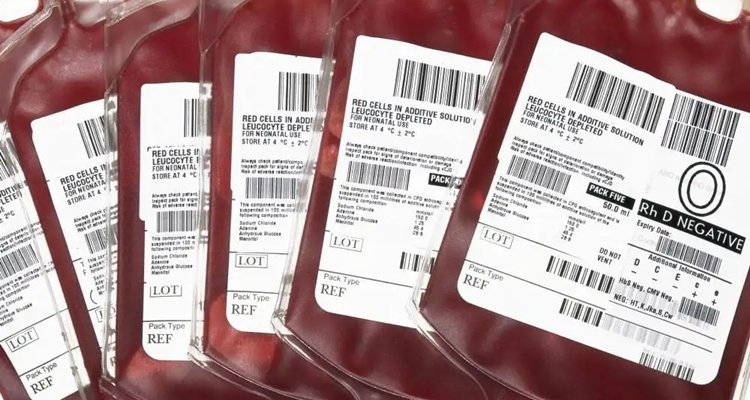
Taiwan has relied on imports of blood bags, which are used to collect, store and transfuse blood, because doing so is cheaper than making them domestically. In wartime, of course, those imports may be interrupted, and having an adequate supply of blood bags would save lives. Nan Ya Plastics, a subsidiary of Formosa Plastics Group, has built the first blood bag factory in the country but “is in the process of applying for a certificate to produce the containers.”