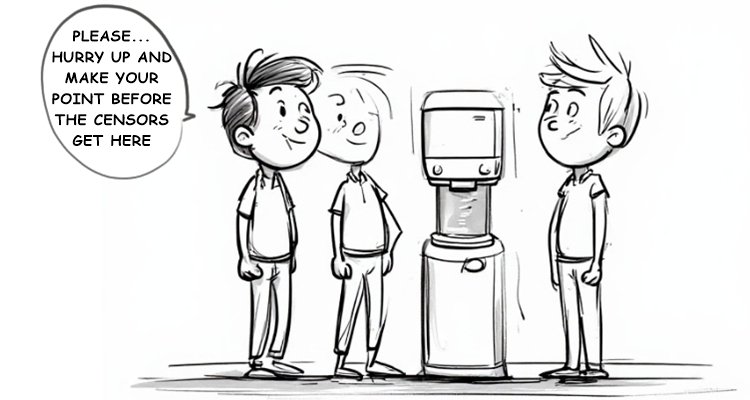
Even though “China’s internet remains a tightly regulated space,” sometimes “populist topics” can “gain traction with remarkable speed.” This trend, says Think China, is “increasingly risky” (July 10, 2026).
The conclusion is inferred from the examples provided, examples of ferocious backlash “over what can hardly be described as major offences.”
Han Hong, India
Example one. Chinese singer Han Hong, attending a new film directed by Feng Xiaogang, “I Know Who You Are,” urged the audience to support the movie in part by saying “Give us some face!” To many persons with an Internet connection, this seemingly innocent and casual wording conveyed noxious class-based connotations, and many of these many persons rushed to heap social-media abuse on the singer. Though the heated and pointless attacks on Han have not been condoned even implicitly by the Chinese Communist Party, both the willingness to shoot first and think, if ever, later, and the class consciousness animating the netizens are CCP-inspired (my observation, not Think China’s).
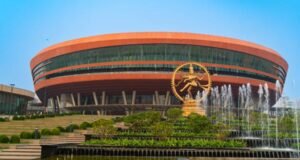
Another example of how it’s a bad thing to move too fast for the censors is supplied by an Internet mob’s attacks on a Chinese embassy in India for “handing out visas indiscriminately” to Indians wanting to visit the People’s Republic of China and on Indians themselves. In response, the embassy posted an article stressing that “ ‘the actions of a handful of people (uncivilised tourists) should not be used to condemn an entire country or promote xenophobia’, nor should China ‘completely shut its doors to India’ because of them…. It appears that even the Chinese authorities cannot stand the disparaging rhetoric directed at Indians on Chinese social media.”
Think China explains that Internet mobs surge for socio-cultural reasons and for technological reasons—like the online world’s lowering of barriers to entry to publication. The latter is apparently an unalloyed ill. “The tragedy is that, across the world, social media has become the primary source of information for many people. Yet the discourse on these platforms is invariably a mixed bag, rife with misinformation and unsavoury content, and this is by no means unique to China.” (Contrary to consistent truthfulness and openness to informed discourse of official party-state media prior to the advent of the Internet…?)
Tragic, risky
Widespread access to social-media platforms is bad, Think China thinks. It’s tragic. It’s risky. “If left unchecked, social media could outpace governance itself, allowing online sentiment to spread, shape public opinion and influence the broader social climate before regulators are able to intervene.”
Oh no. People might be able to state their views online “before regulators are able to intervene.” Who wrote this? Xi Jinping?
Might some of the views of some of the Chinese people posting on the Chinese Internet be, perchance, antagonistic to the many deplorable aspects of the CCP’s rule, including its continuous attempts at blanket censorship, and be eager to call the Party to account? It’s possible. It’s very possible. But we don’t get examples of that in this article on a website that exhorts us to think about China.