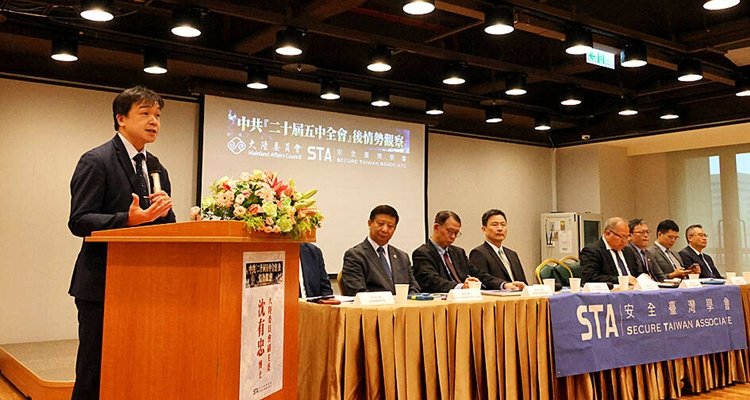
It’s one man’s viewpoint, but it may also be a majority viewpoint. In addition to what the Chinese Communist Party says its recent Fifth Plenum was all about and what Party watchers say about off-stage tensions, there is Mainland Affairs Council Deputy Minister Shen Yu-chung comment that the plenum’s proceedings underscore the difference between the democracy of the Republic of China and the nondemocracy of the misnamed People’s Republic of China (Taipei Times, November 1, 2026).
Differences in political systems are the most fundamental issue in cross-strait relations, which have nothing to do with similarities in culture, language or ethnicity, he said.
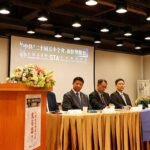
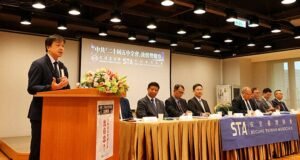
Shen made the remarks at a forum held by the Secure Taiwan Associate Corporation to discuss possible developments in China’s domestic political situation following the fifth plenum, and their implications for Taiwan.
The theme of the plenum, which concluded on Thursday last week, was “unswerving promotion of the full and rigorous party self-governance,” a move by Chinese President Xi Jinping to further bolster the CCP’s leadership and consolidate his authority ahead of next year’s 21st CCP National Congress, Shen said.
The MAC’s analysis of the plenum can be summarized in four points, he said.
First, the “Xi Jinping thought on party building” was established as a political guiding principle, further consolidating Xi’s unchallengeable position as the party’s leader….
Second, the MAC believes that “strict party governance” aims to ensure the CCP’s long-term rule and preserve its one-party dictatorship, Shen said.
Whether it is political, organizational, integrity or work discipline, all rules must be based on monitoring and ensuring that party members and officials obey the CCP….
Third, the promotion of “the party’s self-revolution” represents a rejection of external oversight by the public, media and civil society….
Fourth, moves to eliminate dissenting voices have paved the way for Xi to secure a fourth term at next year’s 21st National Congress.
Shen has no speculations to offer about any behind-the-scenes jockeying. He is reporting what we usually see from the Party and Xi, blatant and pervasive demands for unity, conformity, obedience. He is also urging Taiwanese to remember the differences between the two forms of government and to be on guard against Beijing’s efforts to sabotage Taiwanese society and democracy.