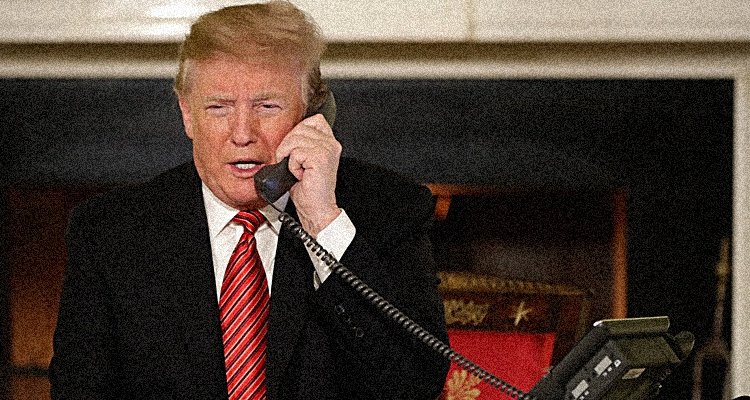
With a scheduled meeting between Donald Trump and Xi Jinping just weeks away, Trump has told subordinates to go slow on completing an already-agreed arms sale with the Republic of China. Once Trump gets whatever he can get from Xi in April, perhaps all will proceed as planned between the United States and the country that is always in Beijing’s crosshairs (Taipei Times and Bloomberg, March 1, 2026).
US President Donald Trump is delaying a multibillion-dollar arms sale to Taiwan to ensure his visit to Beijing is successful, a New York Times report said….
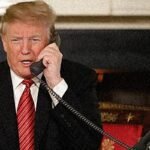
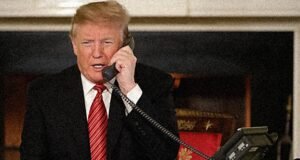
The two [heads of state] last month held a phone call to discuss trade and geopolitical flashpoints ahead of the summit.
Xi raised the Taiwan issue and urged the US to handle arms sales to Taipei with the “utmost caution,” the Chinese government said after the call.
Beijing would never allow Taiwan to be “separated” from China, Xi was cited as telling Trump.
The US Department of State did not comment on the pending arms sales, but said that the US administration “has been very clear” that Washington’s commitment to Taiwan continues.
The arms package is worth about US$13 billion, larger than the US$11 billion previously announced in December last year, the New York Times said, citing one of the officials.
The delay on the U.S. side does not represent the kind of tactical ambiguity, if that’s what it is, that anybody in charge of defending Taiwan can be happy about. But as cited by Bloomberg, members of the ruling Democratic Progressive Party and the opposition Kuomintang seem to be trying to be understanding about the exigencies of the Trump administration’s “strategic timing.”
The bigger problem may be at home. KMT and allied lawmakers have been trying to slash the military budget proposed by the Lai administration in a way that U.S. politicians like Senator Roger Wicker, chair of the U.S. Senate Armed Forces Committee, see as “jeopardizing the purchases of billions of dollars of US weapons aimed at deterring the threat of invasion by China.”
The KMT responded that Wicker had made his comments “without being sufficiently informed.” It must regard its opposition there in Taipei as insufficiently informed as well, since, for example, DPP lawmaker Wang Ting-yu expressed agreement with Wicker.