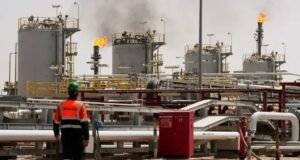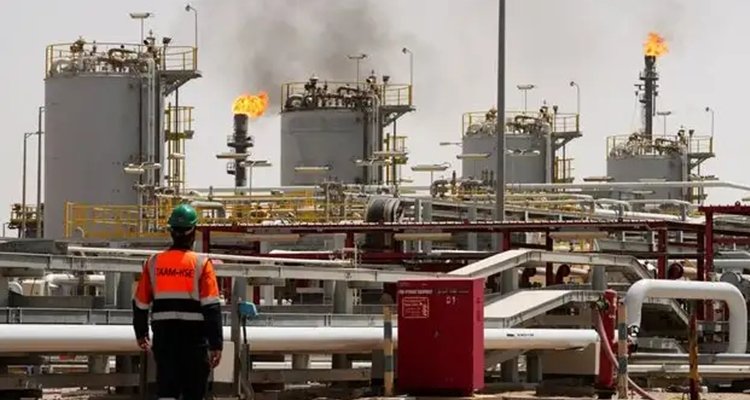
The People’s Republic of China is now getting more of its crude oil from Iraq, which London-based Iran International says is evidence of the “growing impact of Iran oil blockade” (October 7, 2026).
China’s independent refiners are turning to Iraqi crude to replace dwindling Iranian supplies as a US blockade chokes Tehran’s exports, forcing some of Iran’s biggest oil customers to seek barrels elsewhere.
The shift is a sign of the blockade’s widening impact. Iran loaded no new crude or condensate onto tankers in September, although previously exported Iranian oil continued arriving in China, according to Homayoun Falakshahi, Head of Crude Oil Analysis at Kpler.
Of nearly 90 million barrels that initially made it out, only around 10 million remain to be discharged in China, Falakshahi said.
Once those barrels and the payments for them are exhausted, Iran risks losing not only a crucial export market but one of its main sources of dollars….
Chinese buyers typically have one to two months to pay for Iranian crude, Falakshahi said, meaning payments for oil already exported could continue until around mid-December.
“After that, it’s zero revenue from oil sales,” he said, assuming the blockade remains in place.
Some time in December, then, Iran’s revenue from China will dry up unless the Iranians manage to sneak some oil shipments past the blockade.
Max Meizlish, formerly with the U.S. Treasury and now an analyst at the Foundation for Defense of Democracies, observes that Iraq has been used before to disguise the origin of crude oil coming in fact from Iran. He agrees that China’s ostensible switch to Iraqi oil may be “a legitimate ordinary increase by China of Iraqi crude.” But also, maybe not.
Falakshahi counters that “transporting 50,000 to 100,000 barrels per day through Iraq could require around 5,000 trucks. At 100,000 barrels per day, Iran would be replacing only around 5% to 7% of what it previously sold by tanker. ‘It would be just a portion of that,’ he said.”
Would the U.S. both notice these trucks and be able to do something about them?
Back in May the U.S. Treasury reported that it was “increasing economic pressure” on individuals and businesses in Iraq that were working with Iran, including an Iraqi oil minister “who abuses his position to facilitate the diversion of oil to be sold for the benefit of the Iranian regime and its proxy militias in Iraq.” Prosecuting an “anti-corruption crackdown,” the Iraq government later detained that deputy minister and others. But Iraqi networks for moving Iranian oil have persisted.
Also see:
Arab News: “Analysis: Is China learning to live without Iranian oil?” (October 8, 2026)
Makes a similar argument, at length, that “China’s independent refineries are turning to discounted Iraqi crude.”
The New York Times: “How a Shadow Economy in Asia Is Keeping Iranian Oil Flowing” (October 7, 2026)
“Companies continue to service a ‘dark fleet’ of Iranian tankers in waters off Malaysia in spite of Washington’s threat to target them.”