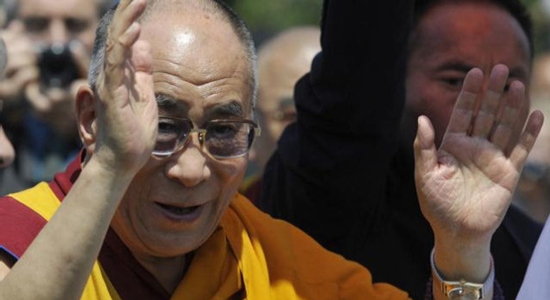
The People’s Republic of China has long prohibited Tibetans from possessing pictures of the Dalai Lama. Like the person, the pictures of the person are symbols of religious independence and resistance to oppression and occupation.
As is often true of other assaults on freedom in the PRC, including religious freedom, enforcement of this particular ban comes in waves. In October there was another wave, consisting of “extensive raids on monasteries and private homes in the Amdo region of eastern Tibet, forcibly seizing photographs of His Holiness the Dalai Lama.” (ANI, October 22, 2025).
According to Phayul, three Tibetan cadres led coordinated operations targeting Tashi Khyil Monastery in Labrang, along with nearby villages such as Thangnag, Ngonchak, Ledruk, Sangkhok, and Marteng. During the raids, they confiscated four large bags filled with framed portraits of the Dalai Lama, removing them from both monastic residences and private Tibetan homes. Residents stated that the searches were intrusive and intimidating, forcing many to surrender sacred photos of their revered spiritual leader….
Although the raids were reportedly conducted without physical assaults or arrests, many residents were left terrified and demoralised by the sudden crackdown….
The operation is part of China’s broader campaign to erase symbols of Tibetan identity and devotion.
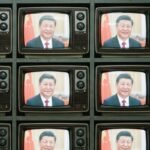
This broader campaign is part of a still-broader campaign to erase any sign or vestige of cultural or religious independence in the People’s Republic of China. Christians, Buddhists, Uyghurs and other Muslims, practitioners of Falun Gong, Jews are all targeted.
In China, leaders and other members of religious organizations either operate under constant threat of harassment and imprisonment and worse or, if they give up any attempt at independence and accept state regulation, become regurgitators of Chinese Communist Party propaganda.