If anyone who advises President Trump is getting China & Taiwan Update from ISW Publications, he should invite the president to peruse at least the top topline of the latest Update, about how position-weakening concessions to the dictator make further position-weakening concessions more likely (February 23, 2026):
The United States is reportedly hesitating over whether to fulfill its next arms sales to Taiwan out of concern that it could derail US President Donald Trump’s upcoming visit to Beijing. Suspending the sales would risk emboldening the CCP and encouraging it to pursue further concessions from the United States, however. In a phone call on February 16, CCP General Secretary Xi Jinping warned Trump against fulfilling the arms sales and threatened that it could upend the Beijing visit. The arms sales would include 20 billion US dollars’ worth of systems for Taiwan, according to the Financial Times.
Xi’s threats come as he has extracted other Taiwan-related concessions from the United States. Washington reportedly denied Taiwanese President William Lai Ching-te permission to enter the country in July 2025 to avoid damaging the chances of a Trump-Xi summit. ISW-CDOT noted at the time that the denied visit to Lai risked driving the CCP to further leverage diplomatic engagements and trade negotiations to divide the United States from Taiwan.
The cited February 6 Financial Times piece reports concern that Trump’s scheduled April meeting with Xi may be derailed if the Trump administration proceeds with further arms sales to the ROC. But some FT-quoted U.S. officials believe “that China is bluffing and will not cancel the visit” over the sales.
The wings of the dove
Maybe Trump is only pretending to be thinking about wavering when it comes to further enhancing the ability of the Republic of China to defend itself. Could be. But the wobbly track record so far of his second-term administration’s dealings with the People’s Republic of China does not warrant great optimism. Its surge out of the starting gate—apparently informed by no clear idea of how the PRC might react—has been followed by repeated falters and fumbles.
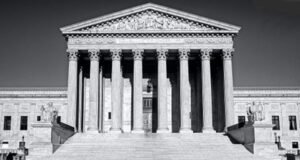
China Briefing suggests that the February 20 Supreme Court ruling against the Trump administration’s liberal use of the International Emergency Economic Powers Act to impose instant tariff hikes may but may not transform negotiations in Beijing this April.
“While China could use the Supreme Court decision to put [previously negotiated] issues back on the negotiating table, it may choose not to do so in an effort to preserve the current truce. Moreover, while Trump will want to find a long-lasting alternative to the IEEPA tariffs before the end of the 150 days, his increasingly dovish demeanor toward China suggests he will be similarly unwilling to rock the boat.”
Also see:
ISW: China & Taiwan Update, February 23, 2026
China Briefing: “US-China Relations in the Trump 2.0 Era: A Timeline”