Here’s an ambiguous statement: Hong Kong Police Commissioner Joe Chow “emphasized that the police would inform the public before deploying facial recognition and that the technology would be used to identify suspects or missing persons” (Tech in Asia/South China Morning Post, February 15, 2026).
Suspects and missing persons. Suspects as in persons suspected of committing an (actual) crime? Or would suspects sought by Hong Kong police also include persons who are suspected of promoting the Hong Kong protest anthem “Glory to Hong Kong” or of otherwise criticizing and resisting the Chinese Communist Party?
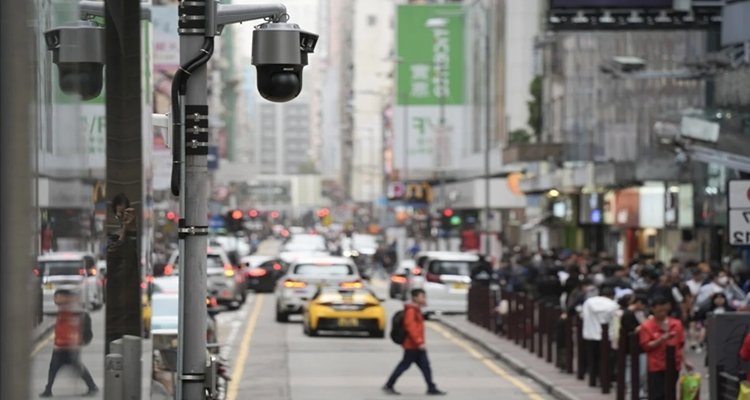
Hong Kong’s police plan to incorporate facial recognition technology into public CCTV cameras this year, pending resolution of legal and technical issues, according to Police Commissioner Joe Chow.
Chow said that high-traffic and strategically located shopping centres will be prioritized for integration into the SmartView system, with discussions ongoing with shopping centre operators.
The government has allocated HK$4 billion (US$511.6 million) to expand the SmartView project, including installing 6,500 additional cameras and developing AI video analytics tools.
The total number of cameras across the city is expected to reach 66,500 by 2031….
Some lawmakers have called for ensuring system compatibility and evaluating privacy law amendments, while others urged cautious implementation due to costs and technical challenges.
The “legal issues,” if there really are any, will be resolved in favor of the state’s surveillance agenda.
On the mainland, facial recognition technology is already in widespread use in conjunction with surveillance cameras, especially in regions like Tibet and Xinjiang, where the CCP feels obliged to do a super amount of tracking and spying in order to most effectively persecute members of especially targeted groups. Facial recognition technology has also been used here and there in Hong Kong. What’s happening now is the beginning of a massive ramping up.